
English version
Quando si pensa alla Sicilia vengono alla mente i paesaggi collinari con l’erba secca e sullo sfondo il blu del mare e del cielo, l’ocra delle pietre dei bei palazzi barocchi, il rosa fucsia delle buganvillee, i colori delle buonissime granite.
Ma c’è anche un’altra Sicilia, quella che ho cercato di cogliere con le mie fotografie in bianco e nero.
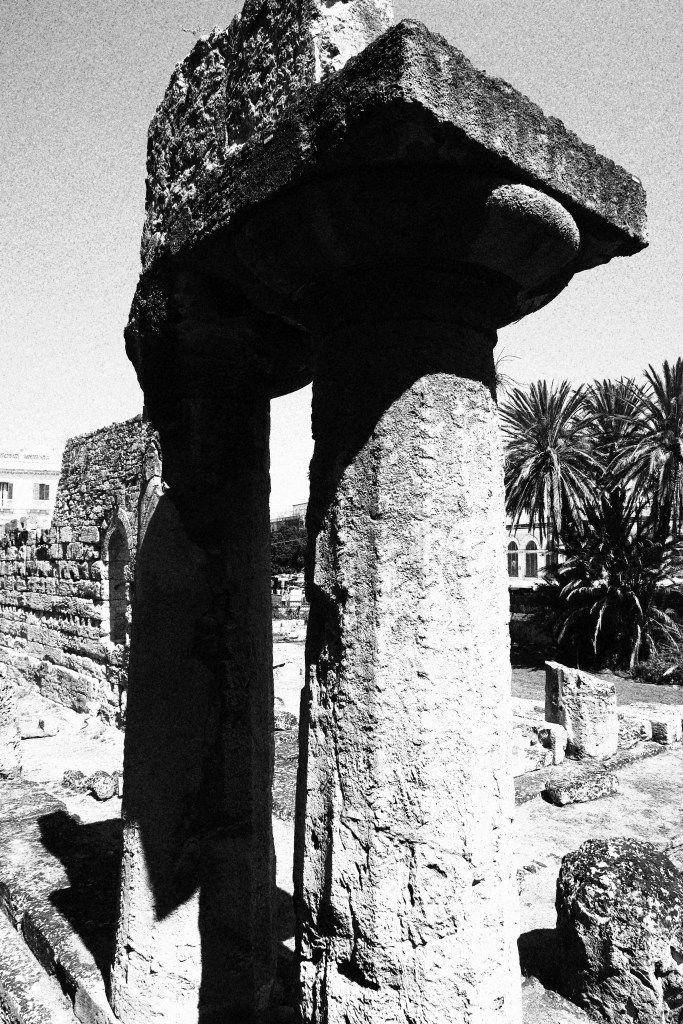
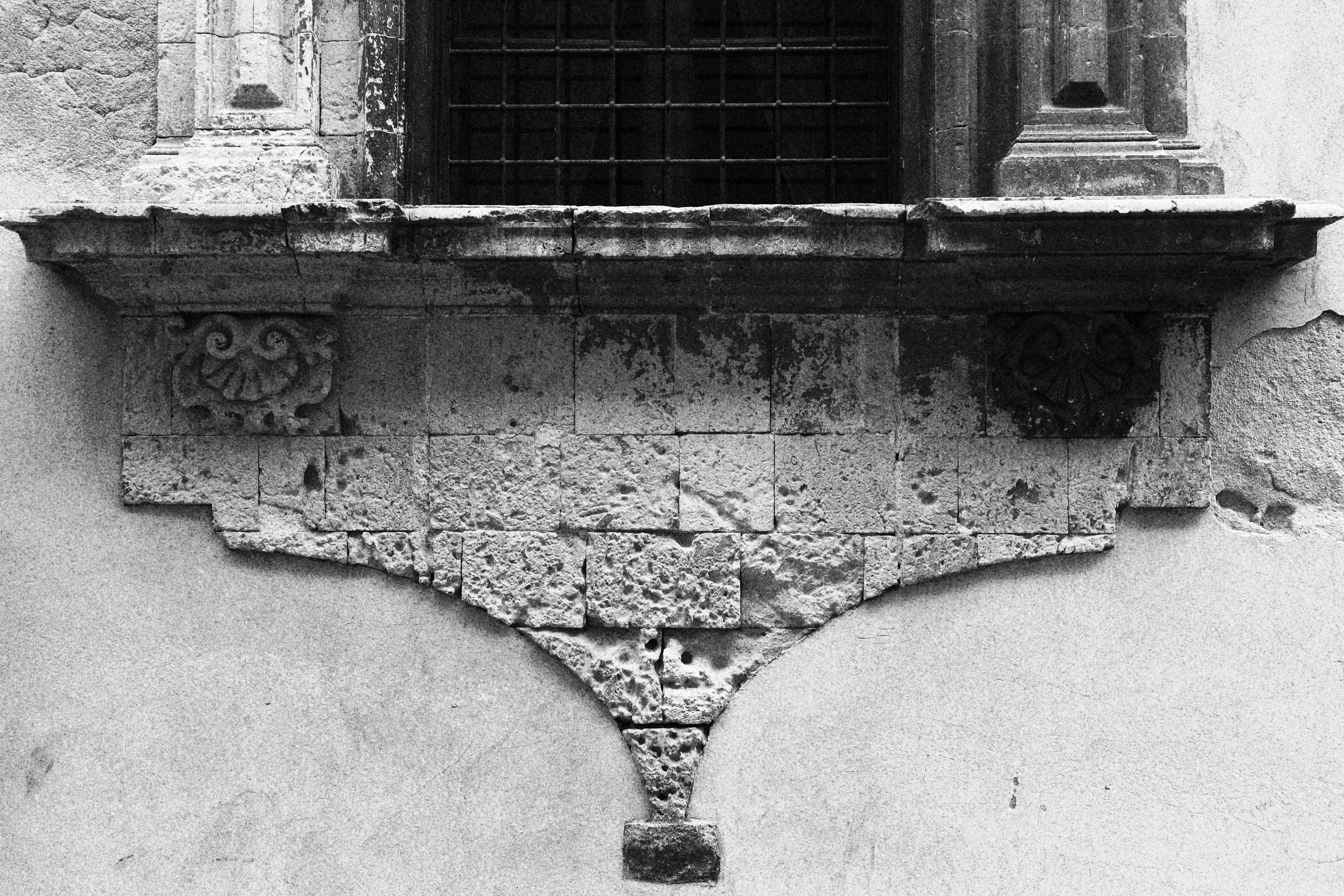
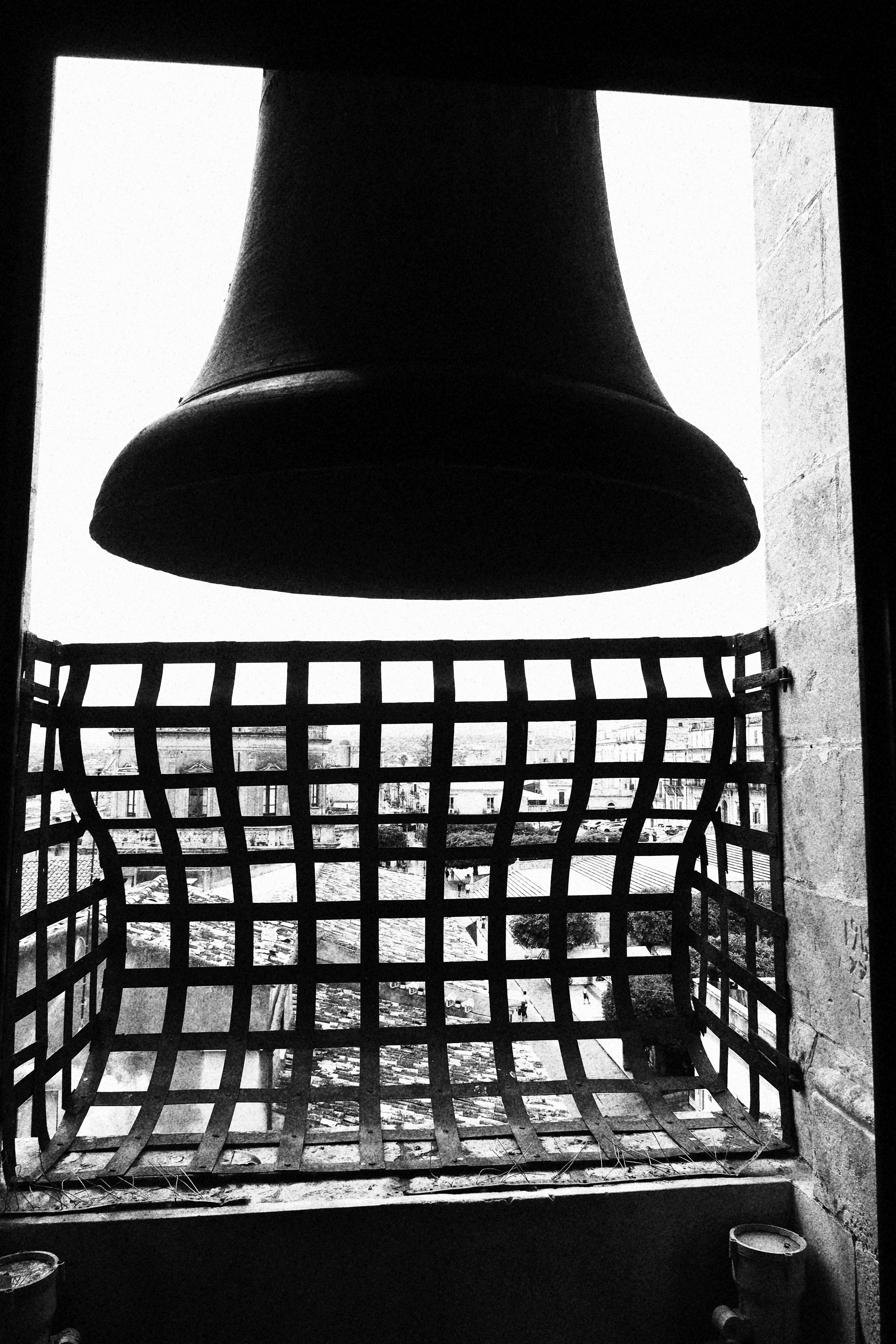
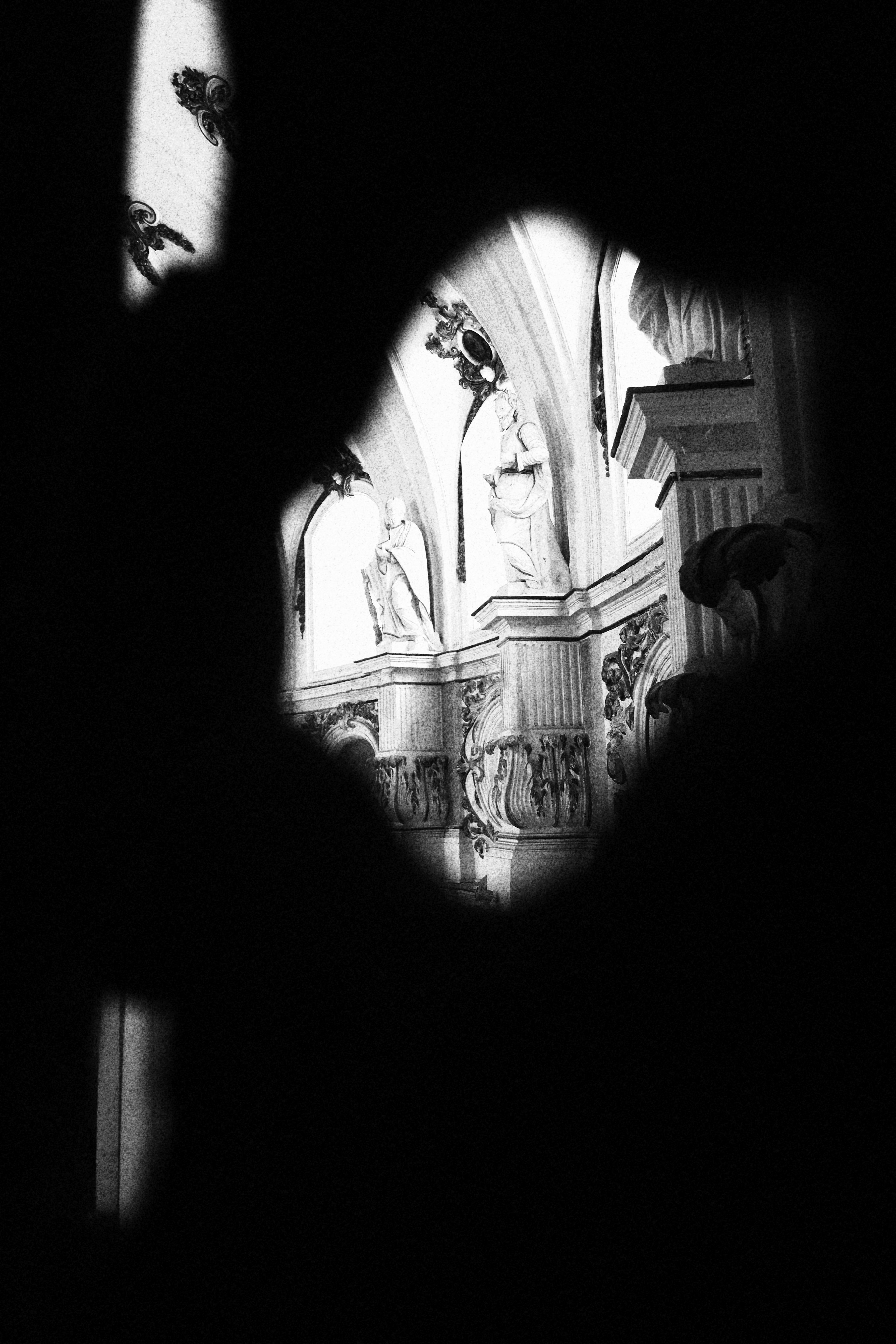
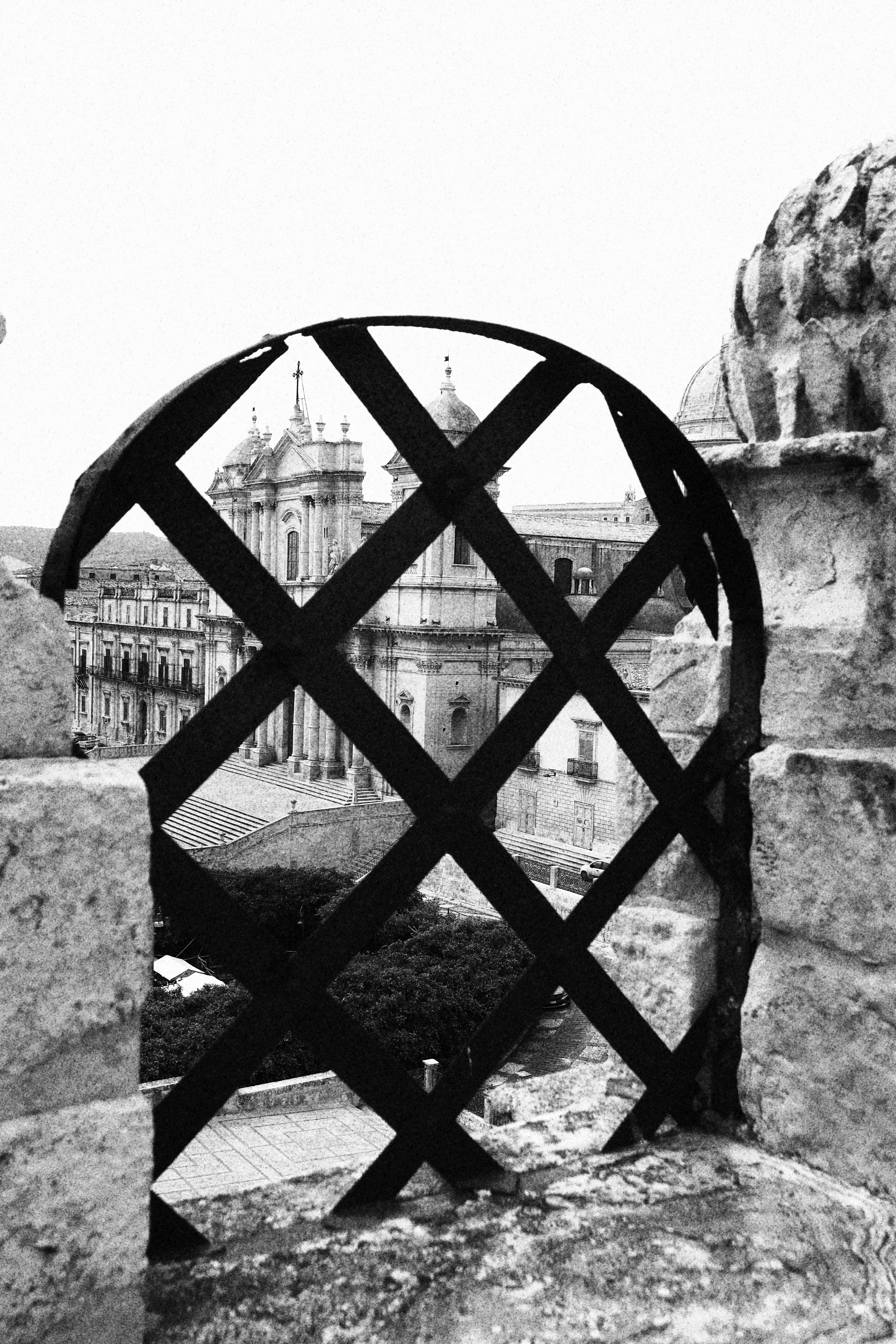
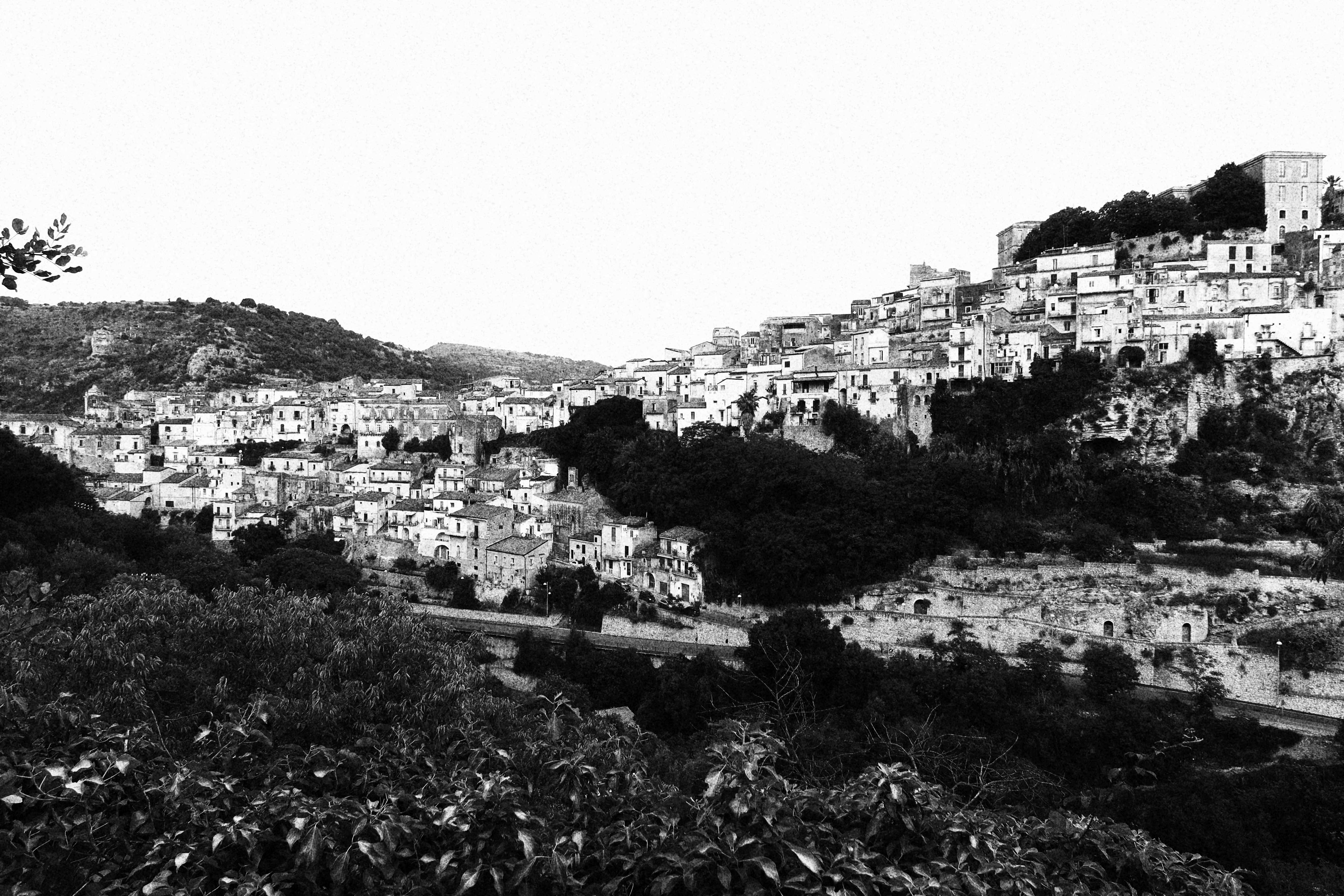
Eliminando il colore si sottraggono dal soggetto quegli stereotipi di cui si parlava prima, rimangono le forme, la luce, le ombre, le superfici consumate che dichiarano la loro storia, le geometrie architettoniche. Le fotografie, così, sembrano riprendere una Sicilia archetipica, fuori dal tempo.
Il bianco e nero sublima le forme, le porta ad una sorta di astrazione, lasciando così più margine di interpretazione a chi osserva. Potrei dire che quasi simbolizza il soggetto.
La fotografia in bianco e nero diventa un dialogo tra due immaginazioni, quella di chi ha scattato la foto e quella di chi la osserva. Invita ciascuno a riconoscervi qualcosa di sé, attribuendo all’immagine significati che vanno oltre l’istante dello scatto.
John Szarkowski, per quasi trent’anni direttore della sezione Fotografia del MoMA di New York, disse che la fotografia non serve tanto a spiegare il mondo, quanto a mostrarlo in modo tale da costringerci a guardarlo di nuovo. E, probabilmente, il bianco e nero amplifica questa capacità, perché, per sua stessa natura, non riproduce la realtà, ma la reinterpreta.
Inoltre, il colore appartiene al contingente, al qui e ora, il bianco e nero tende invece all’essenziale. È come se eliminasse l’accidentale per lasciare emergere la struttura profonda delle cose. Ed è per questo che spesso le fotografie in bianco e nero danno l’impressione di essere sospese nel tempo, potrebbero essere state scattate ieri come sessant’anni fa.
Perciò, queste fotografie non parlano tanto delle peculiarità della Sicilia, quanto di ciò che nel luogo resiste nel tempo, della permanenza.
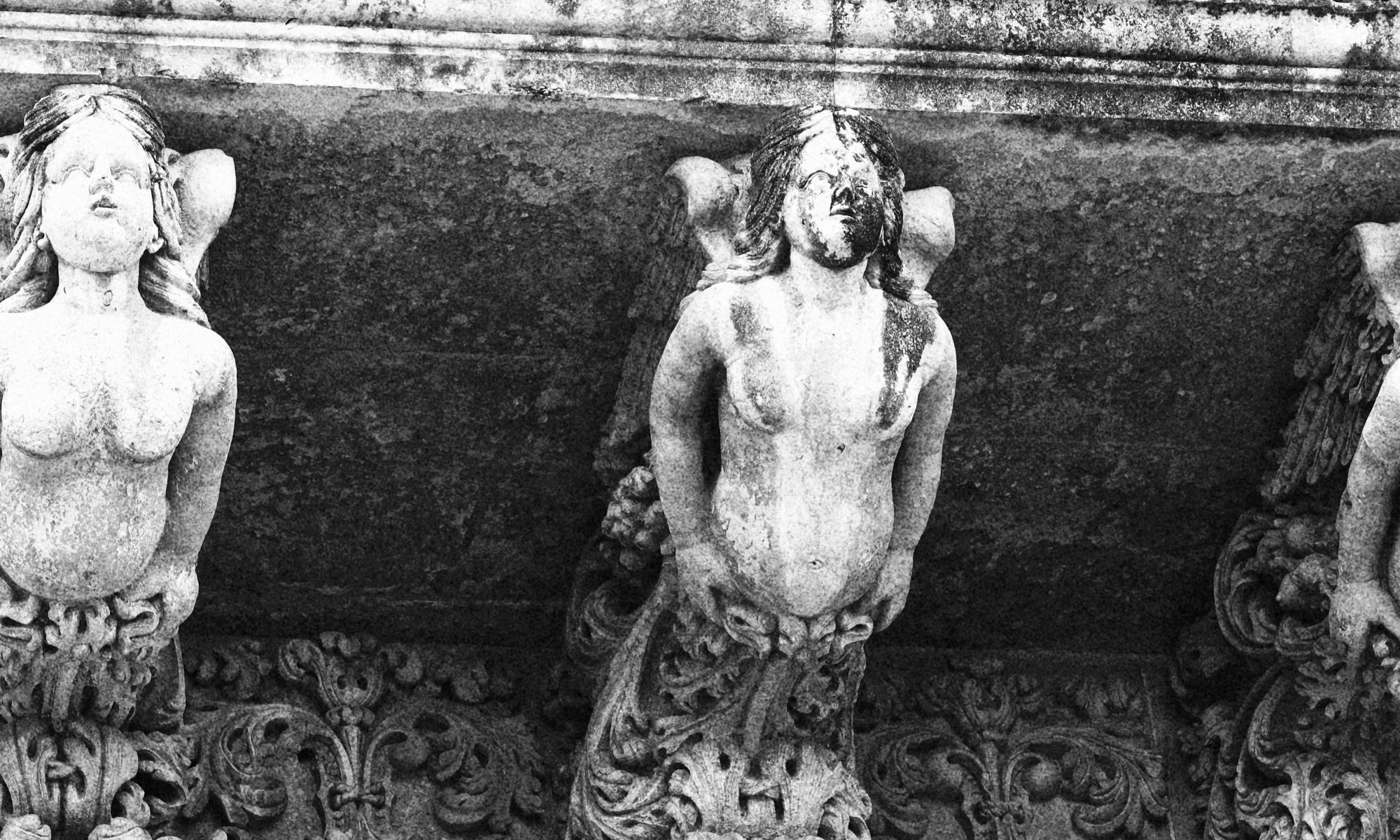
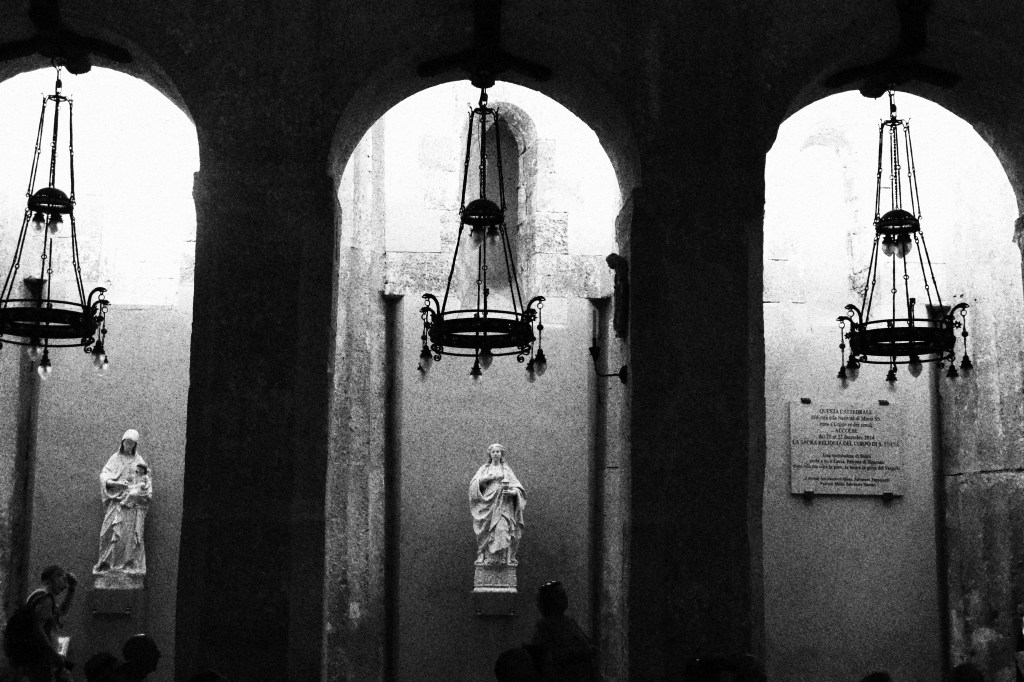
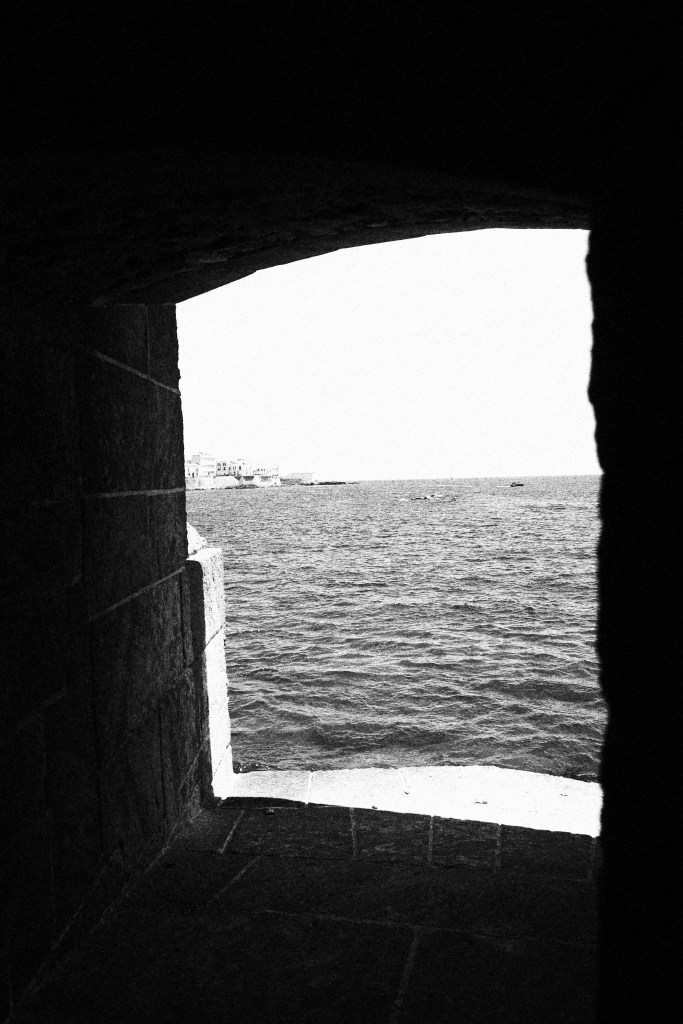
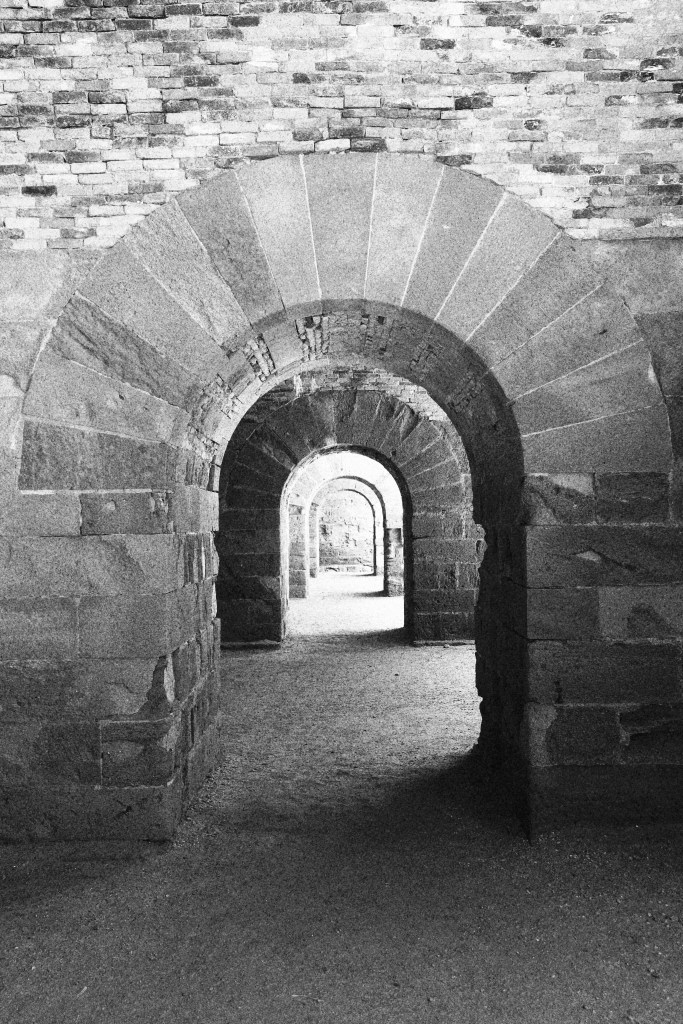
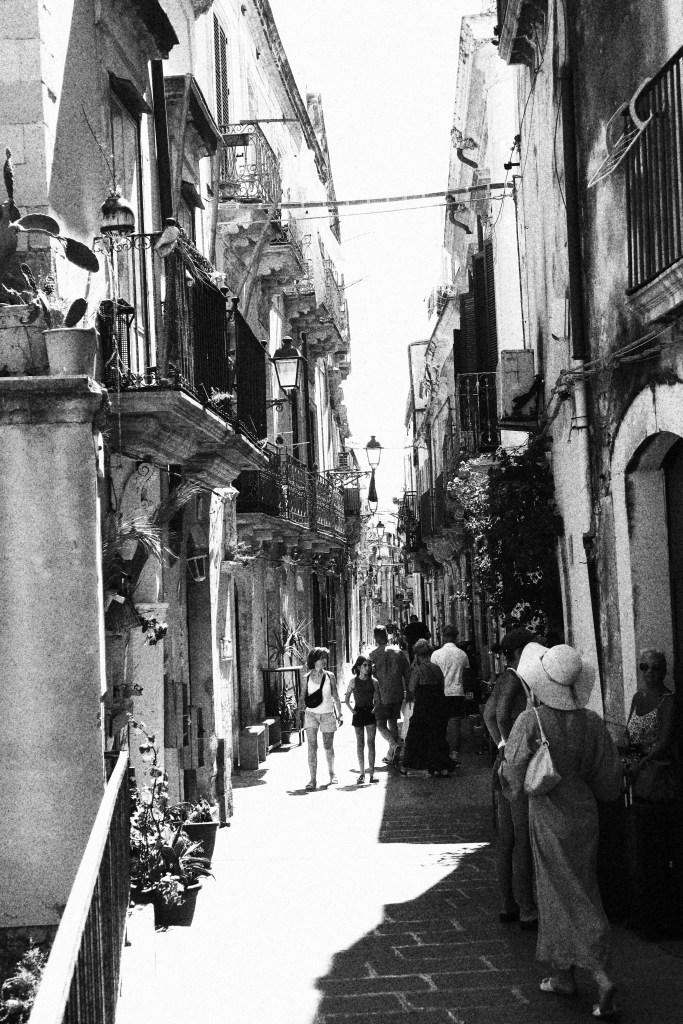
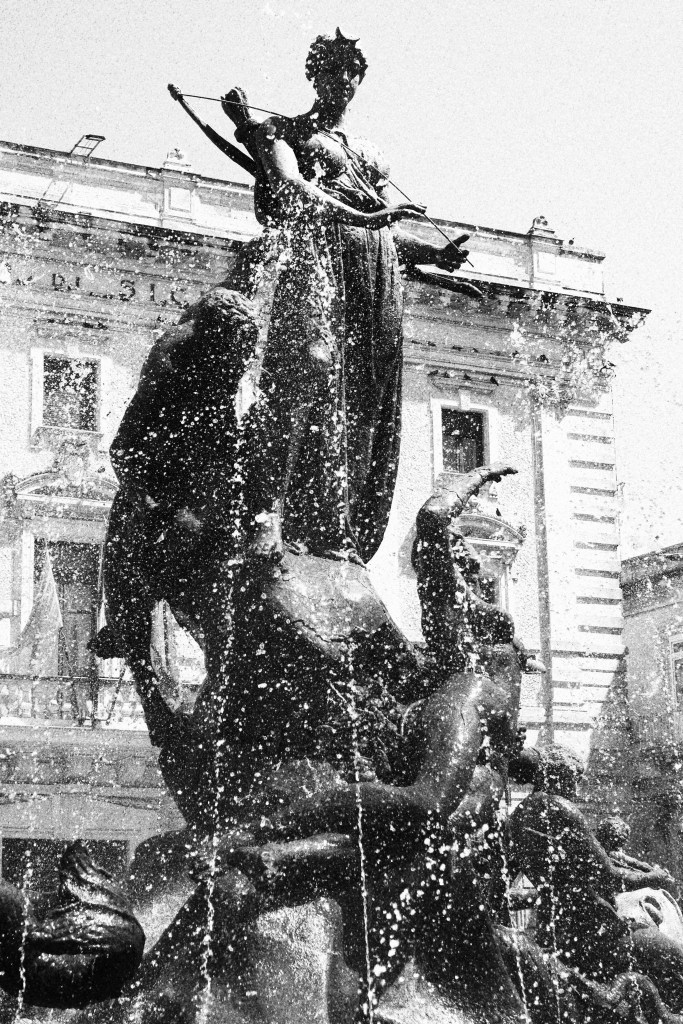
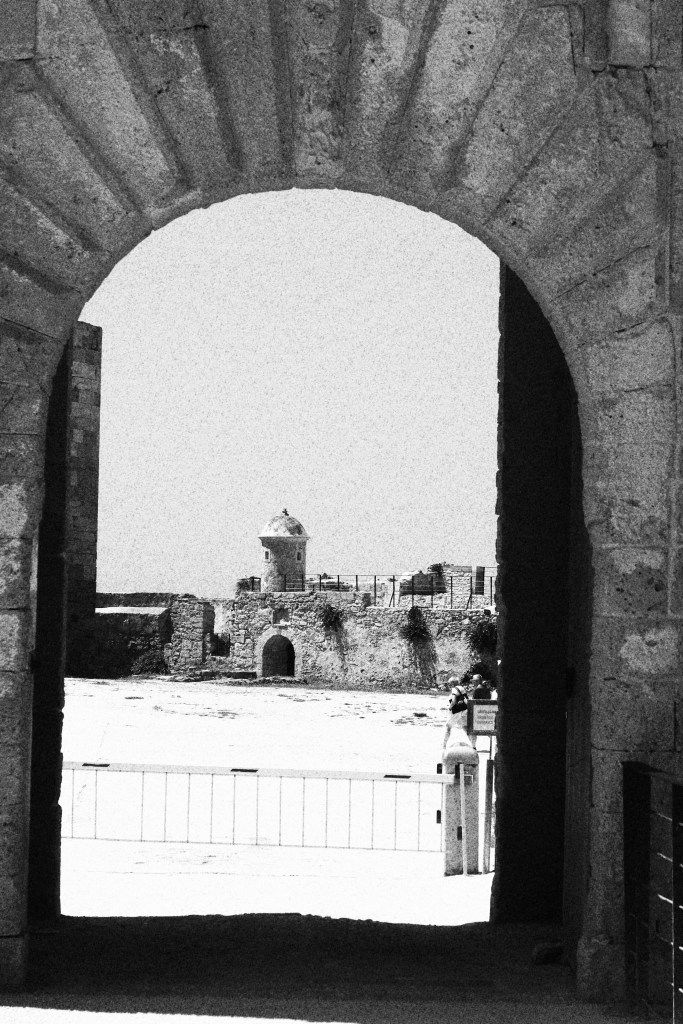
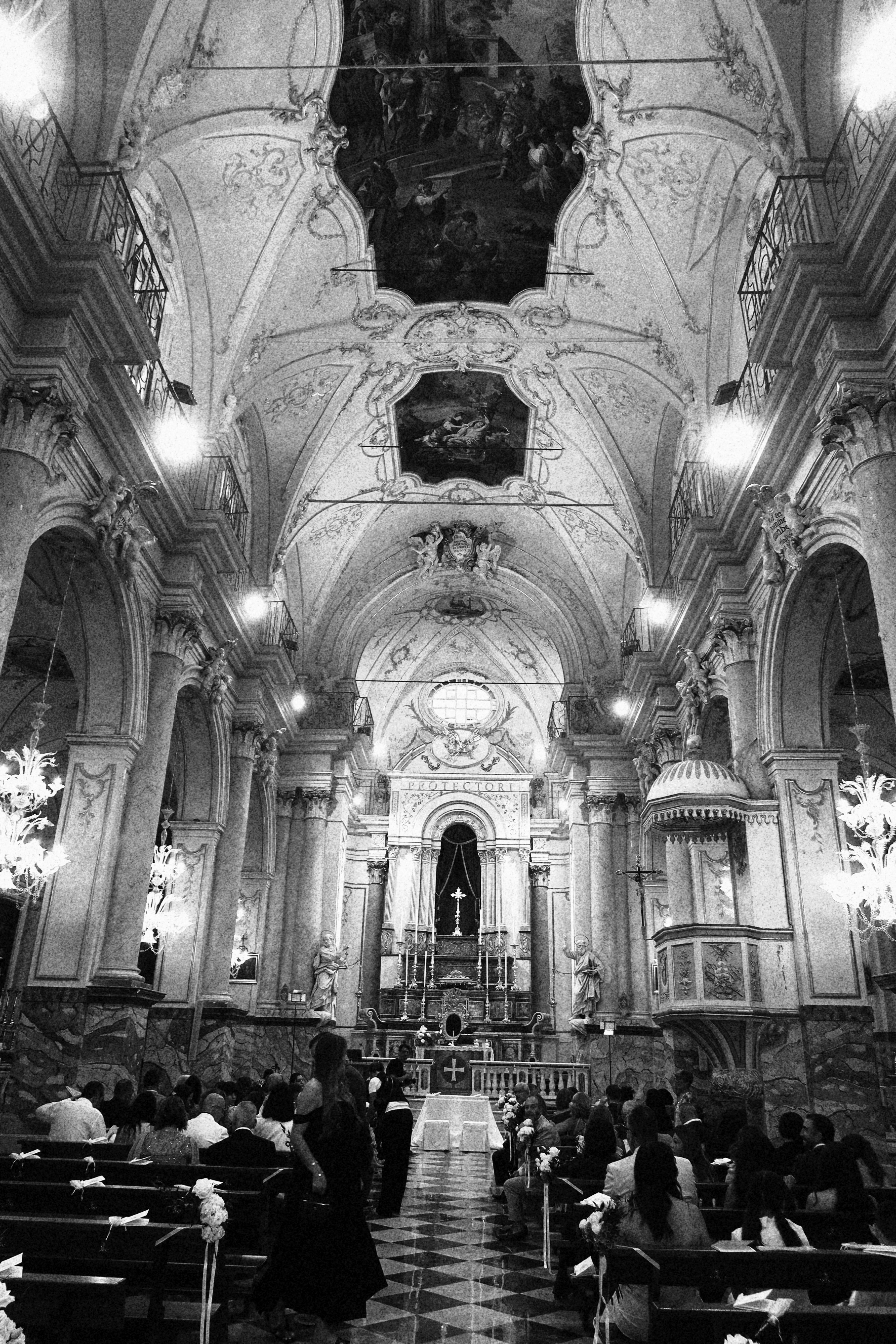
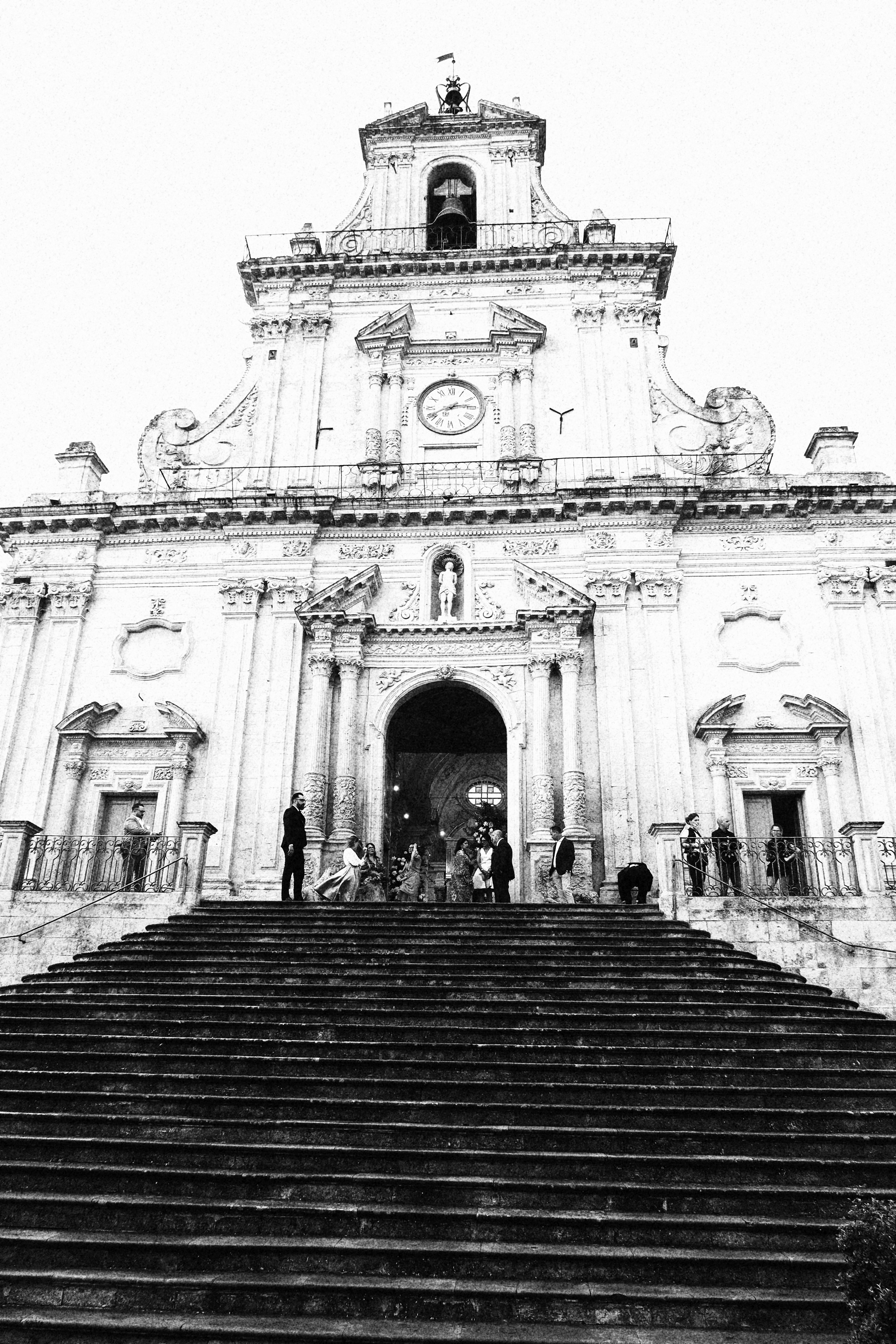
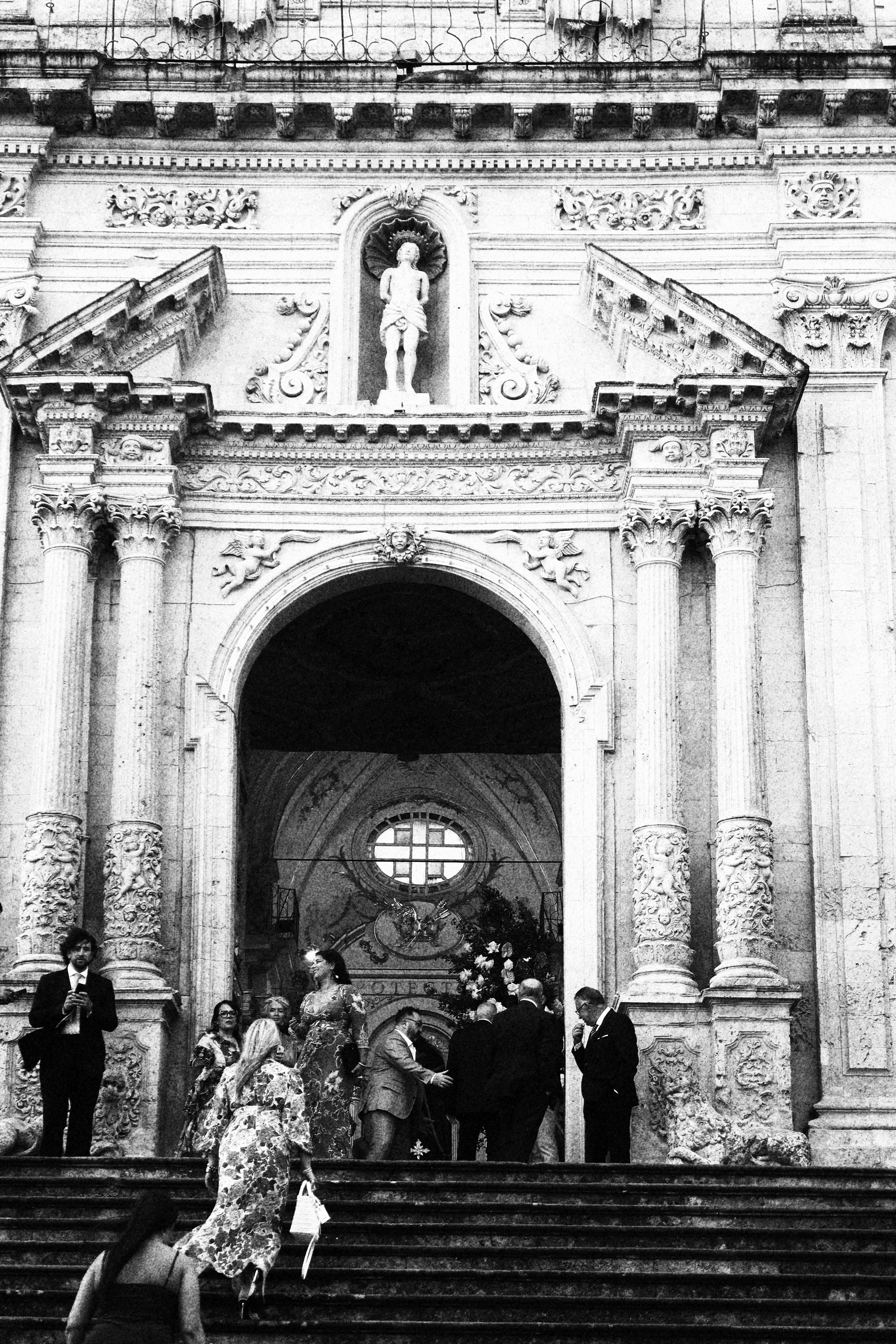
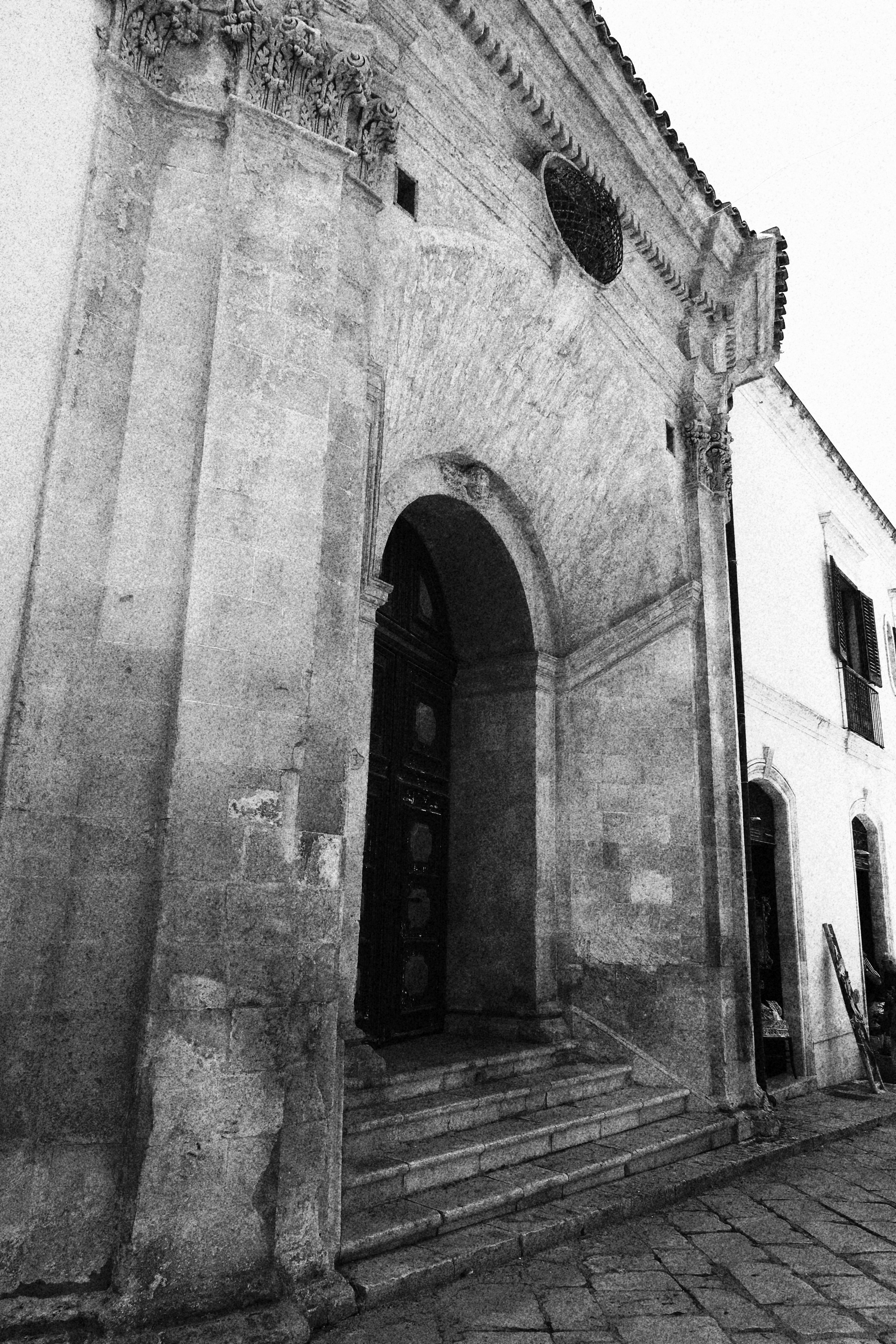
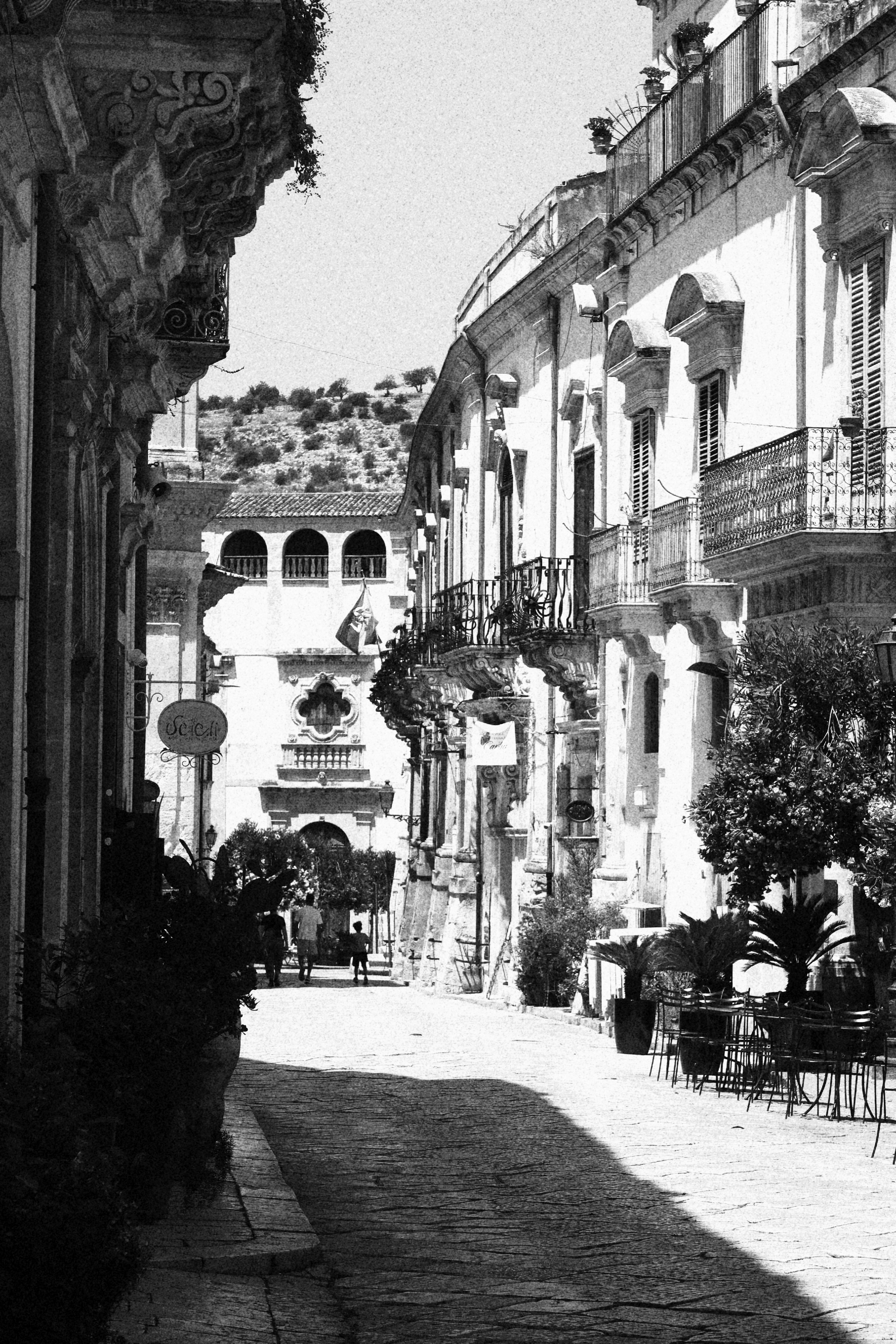
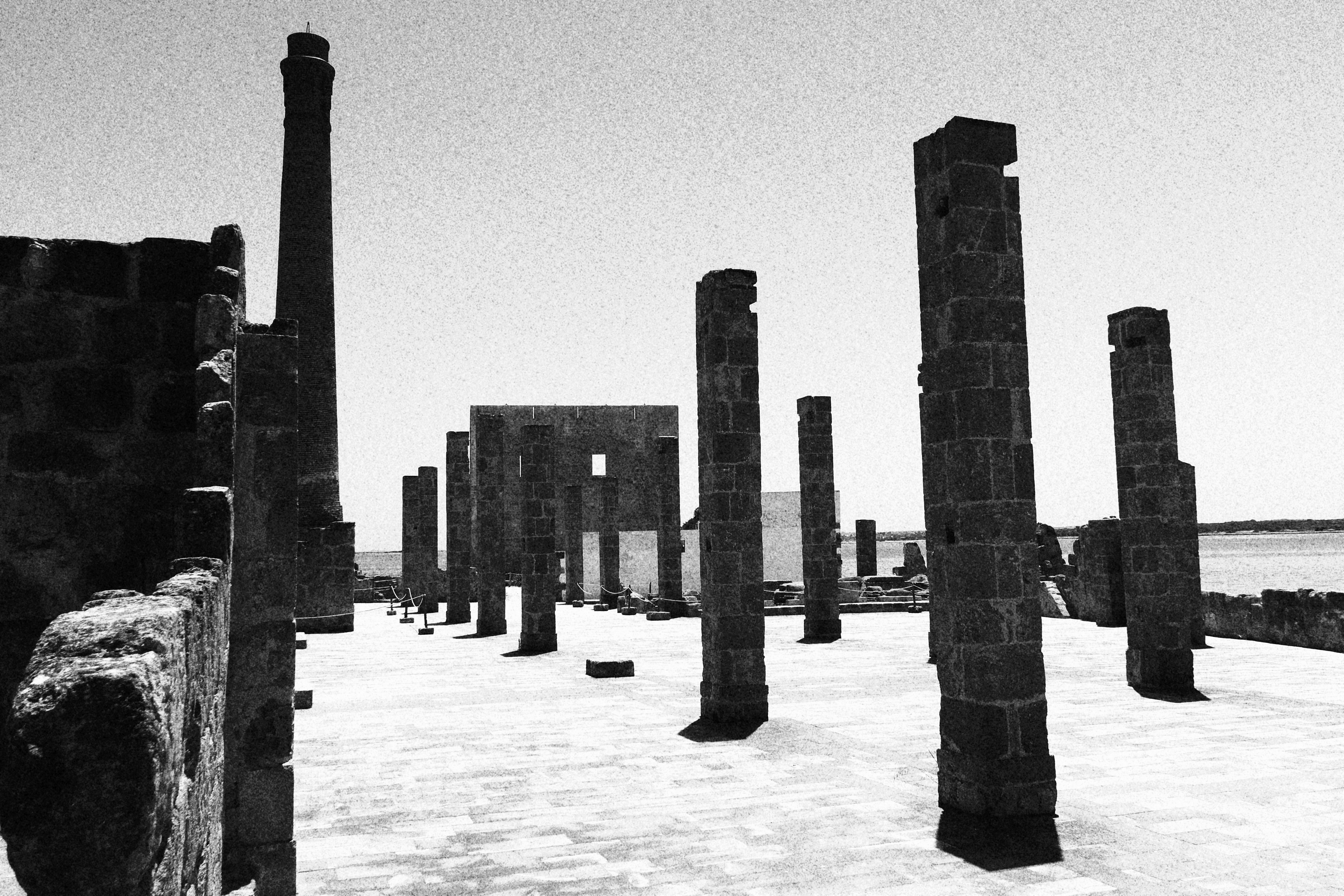
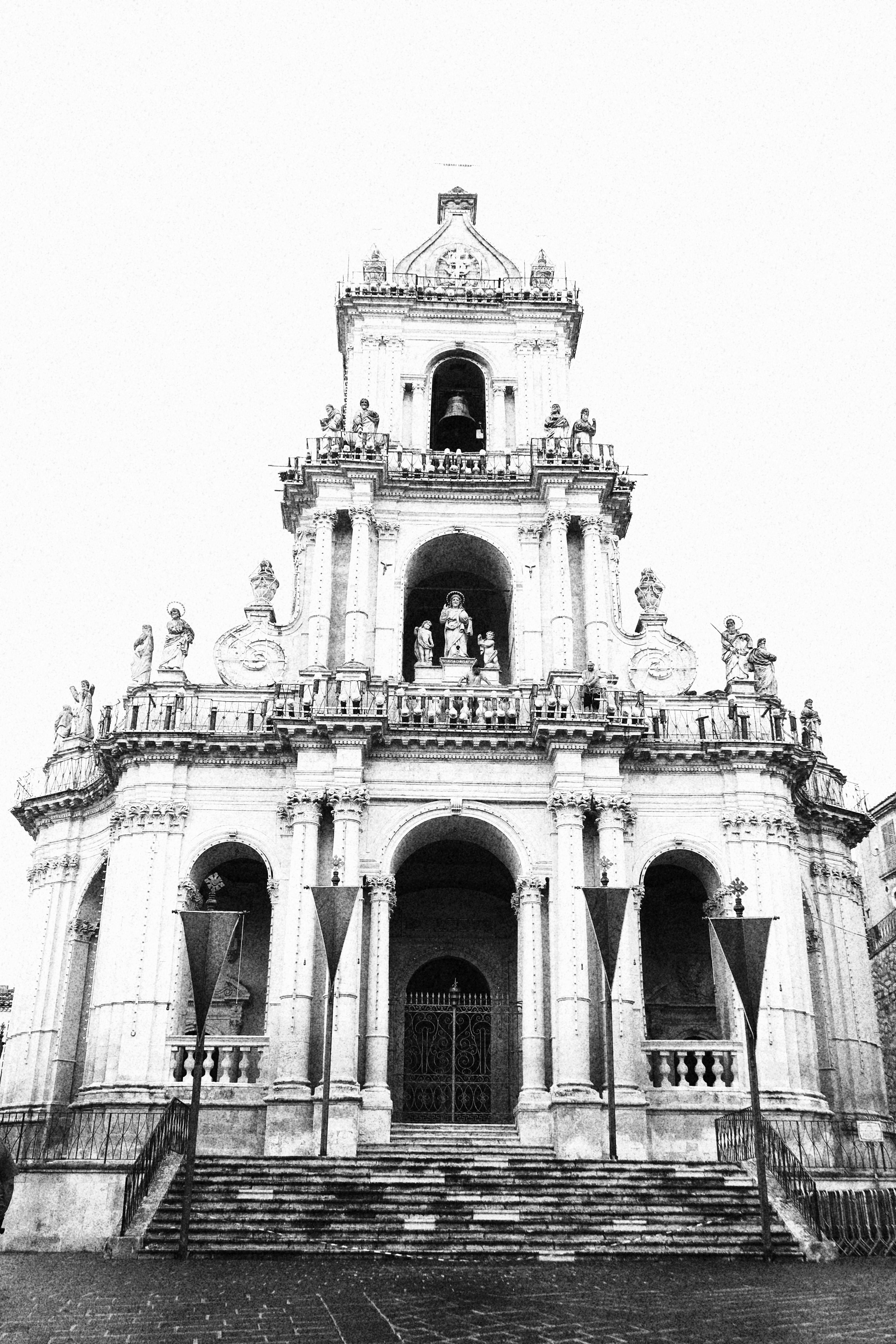
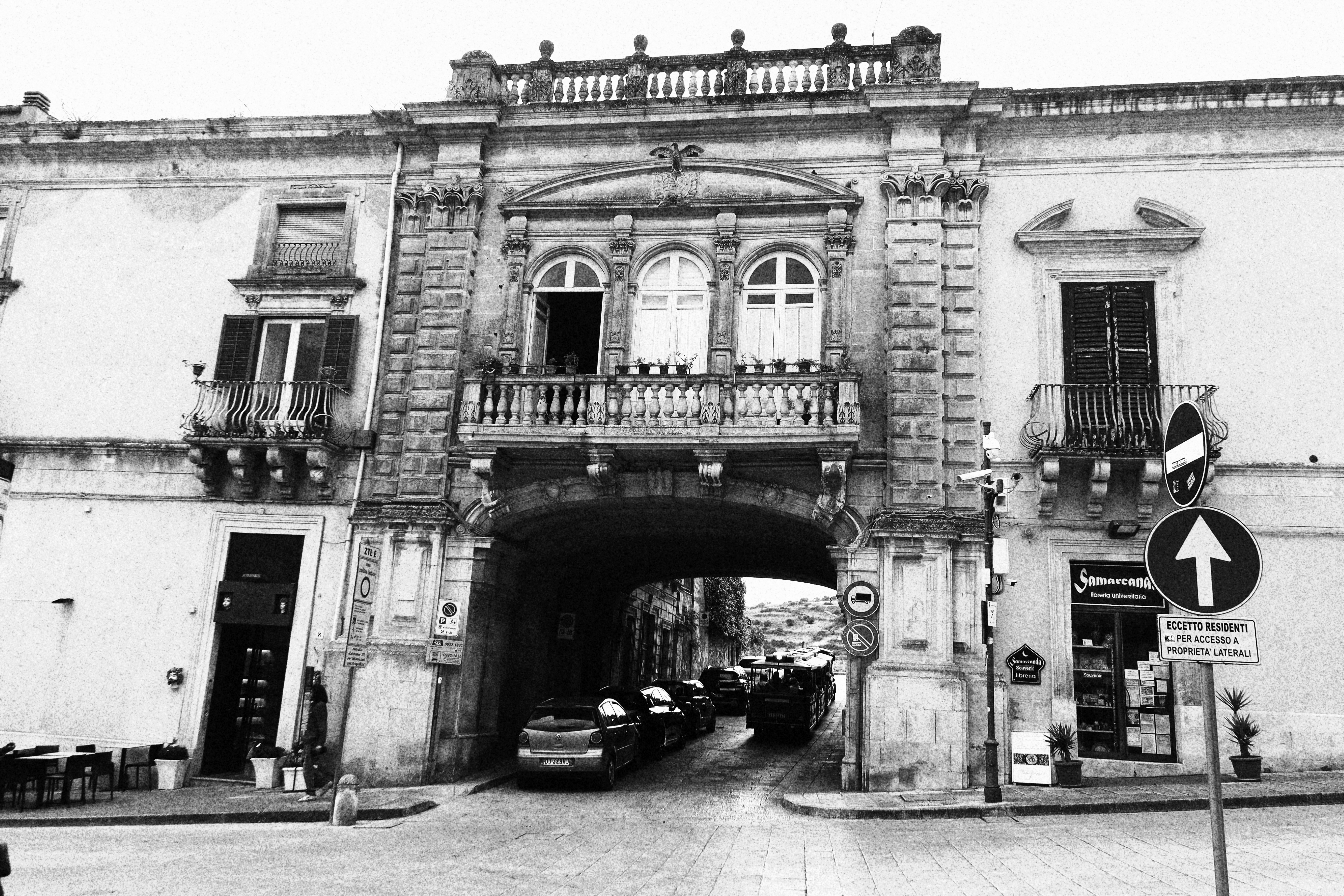
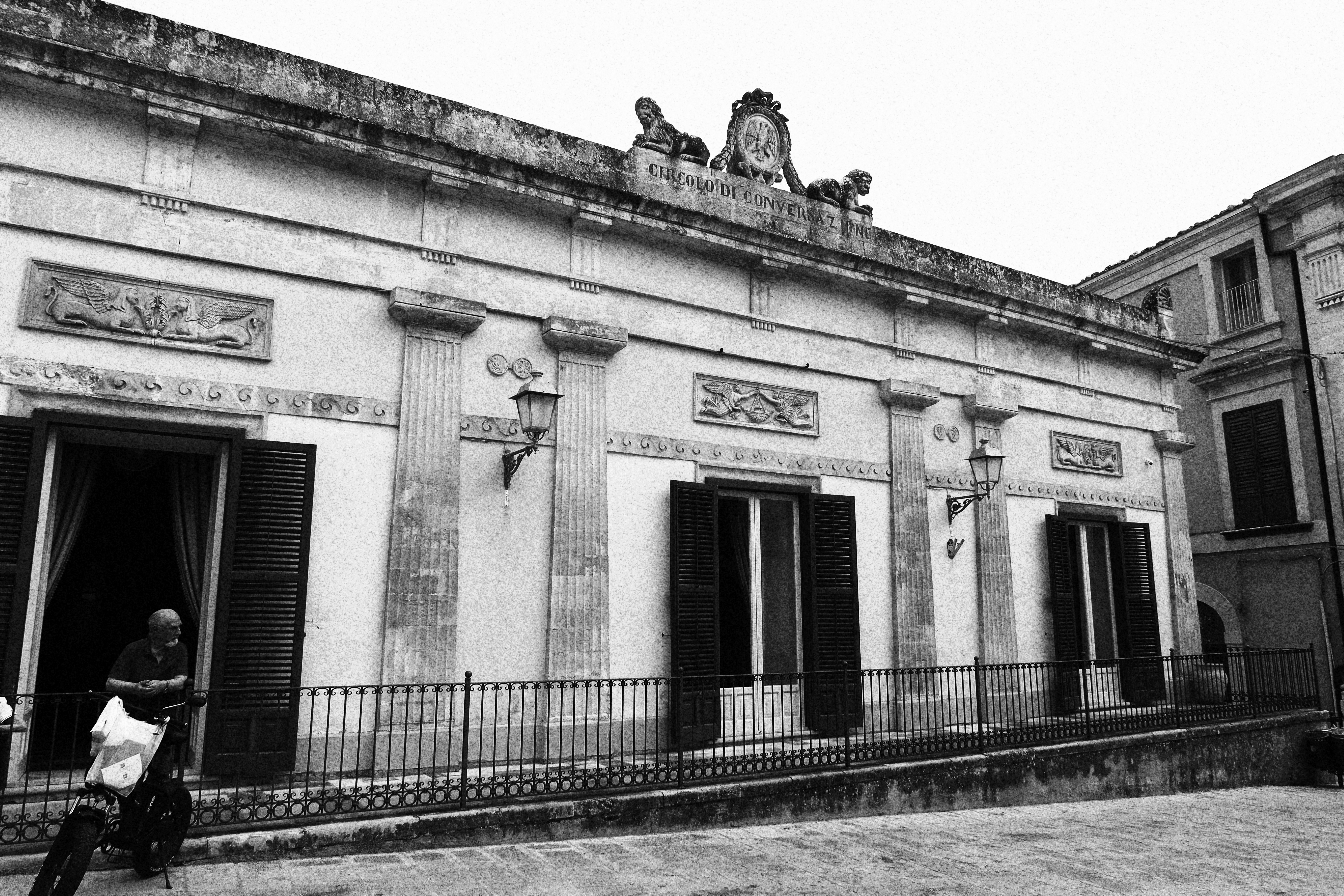
Non troverete monumenti famosi, luoghi che immediatamente identificano il territorio siracusano, ma ci sono colonne, archi, scale, statue, fontane, corti, facciate. Soglie verso un mondo da riscoprire. L’uomo non è soggetto, perché è transitorio.
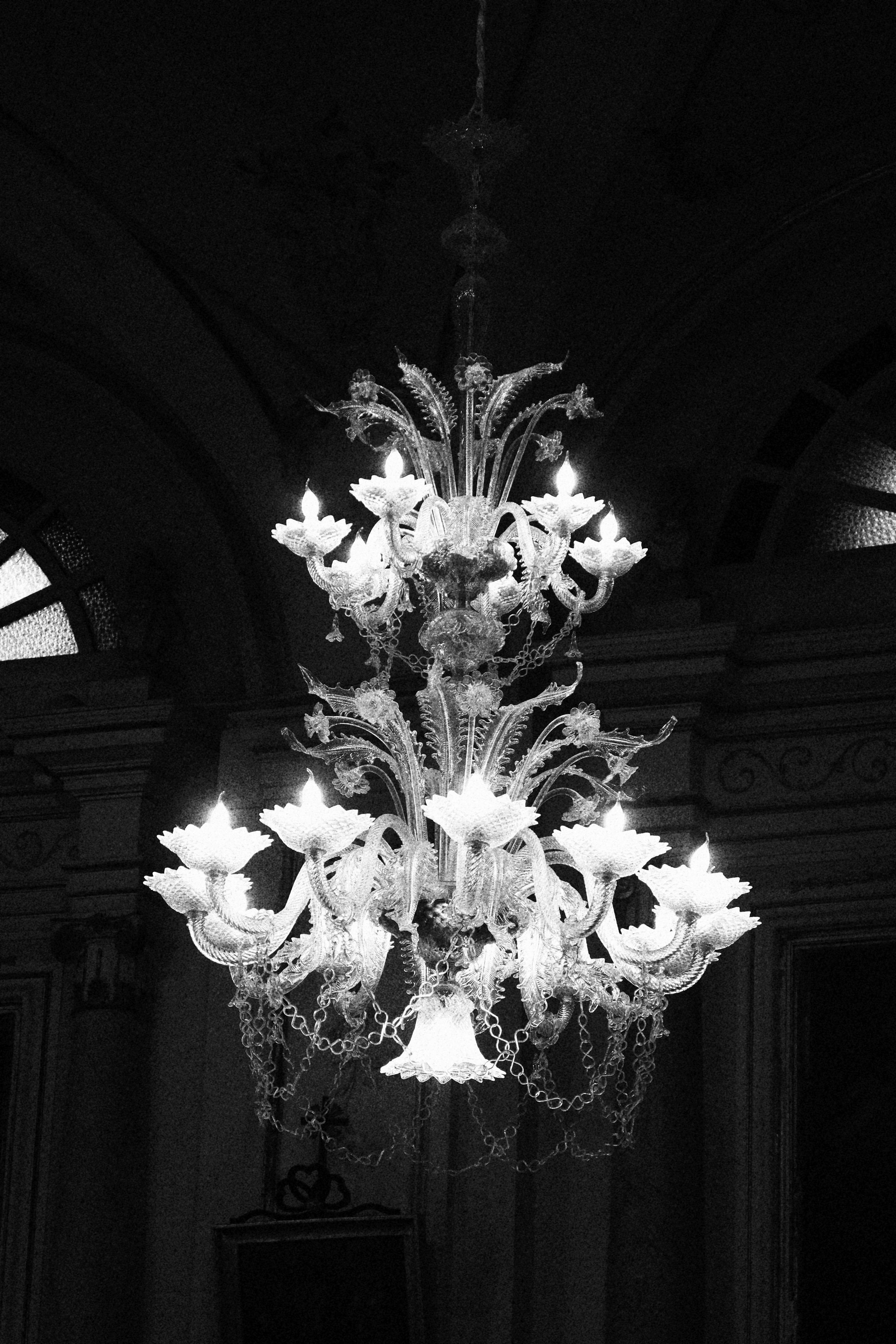
Importante è la luce che scolpisce le figure, mentre gli sfondi bianchi mettono ancor più in risalto la materia dei soggetti.
Ciò che ho voluto cogliere è lo Spiritus Loci, cioè la risonanza emotiva, l’energia invisibile o essenza mistica che si percepisce in un luogo. Perciò queste foto dovrebbero dirvi di ascoltare ciò che quello spazio custodisce, cosa può dirvi.
Non so se sono io ad aver scelto i soggetti o sono stati loro a chiamarmi. Alcuni spazi possiedono una forza misteriosa, non chiedono di essere solo osservati, ma anche ascoltati. Parlano spesso di tempo, di vite passate, dello scalpellino o dello scultore che le ha create, dell’architetto che le ha concepite, dell’uomo o della donna che le ha vissute. Alla fine, perciò, l’Uomo ritorna, ma è latente.
Una pietra rimane anche se nessuno la guarda, ma diventa memoria nel momento in cui qualcuno le restituisce una voce. Queste foto, forse, vogliono dare voce alle pietre.
(Cliccare sulle foto per vederle grandi)
SIRACUSA

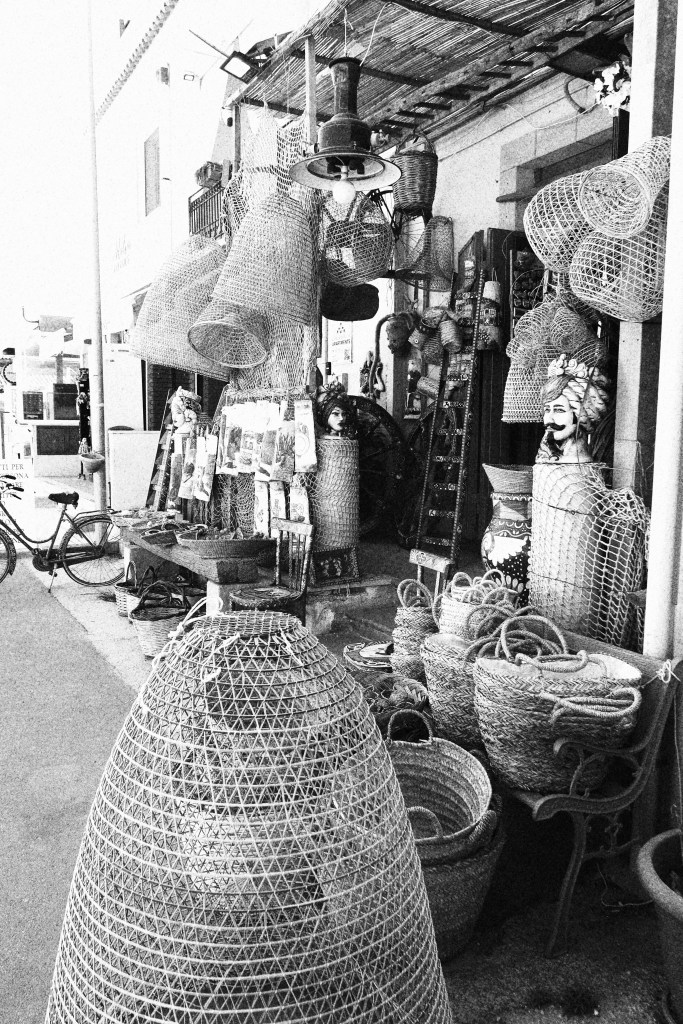
MARZAMEMI

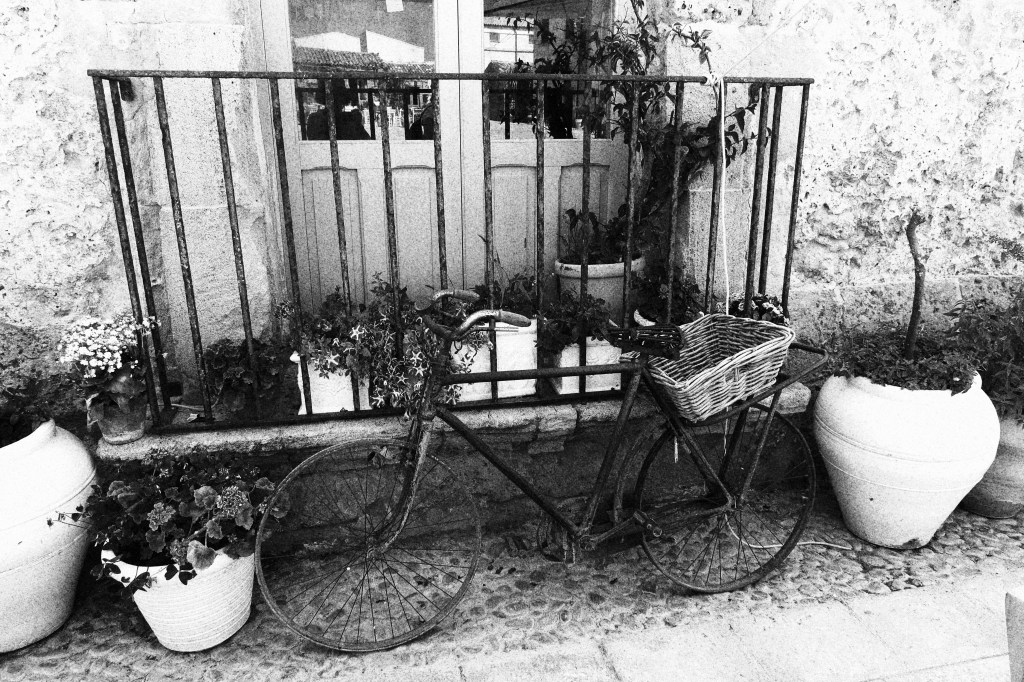

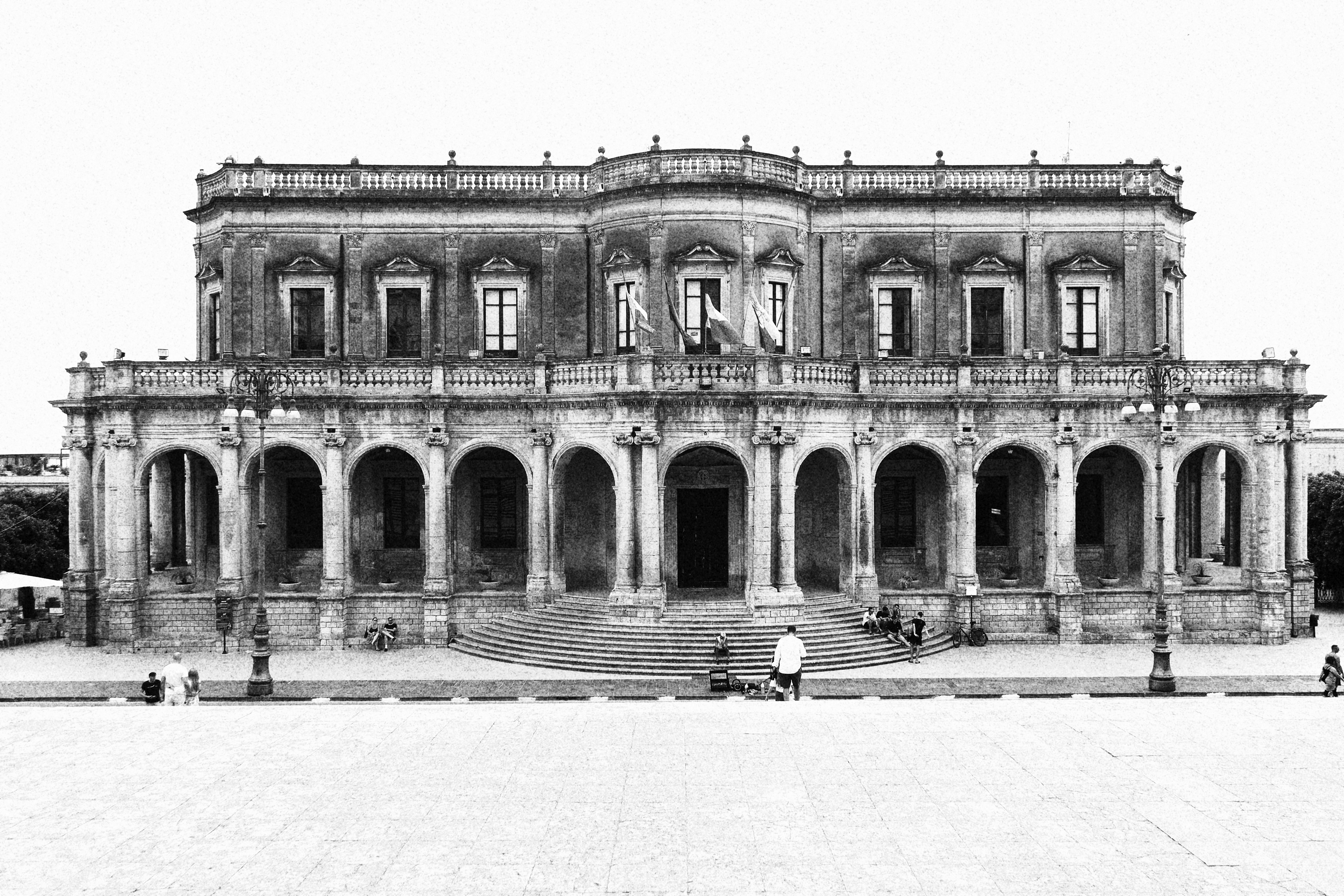
NOTO
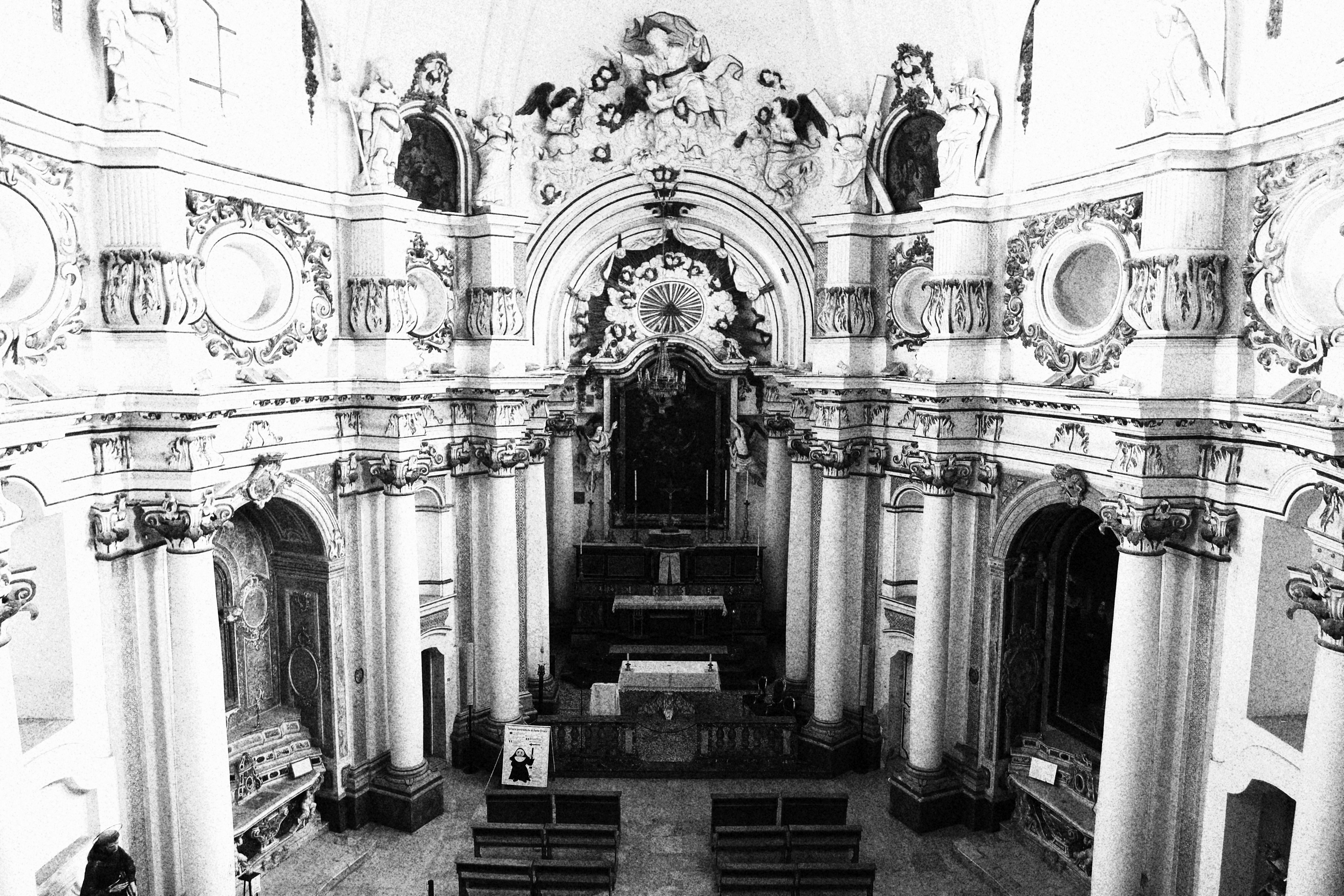
PALAZZOLO ACREIDE
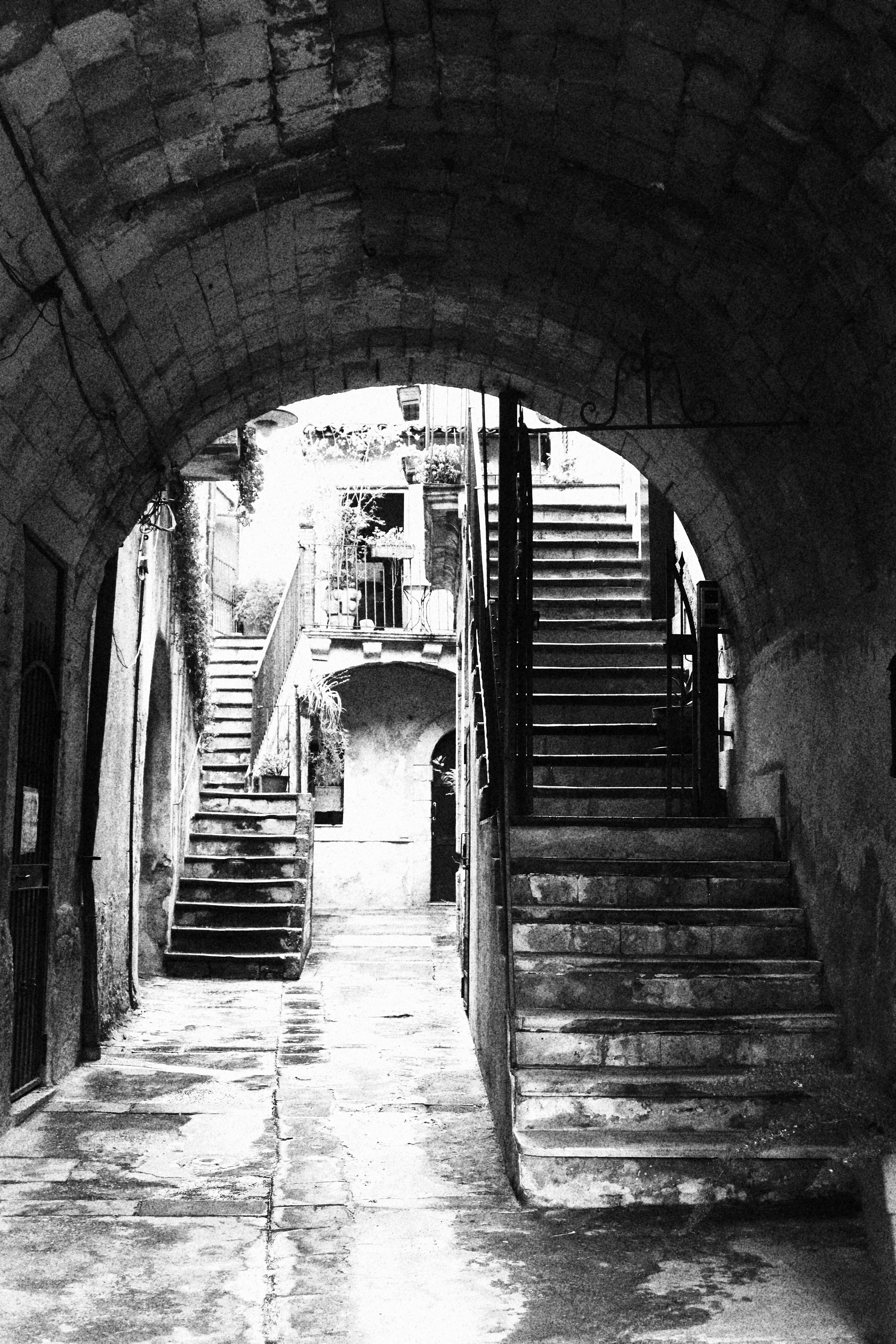

PANTALICA
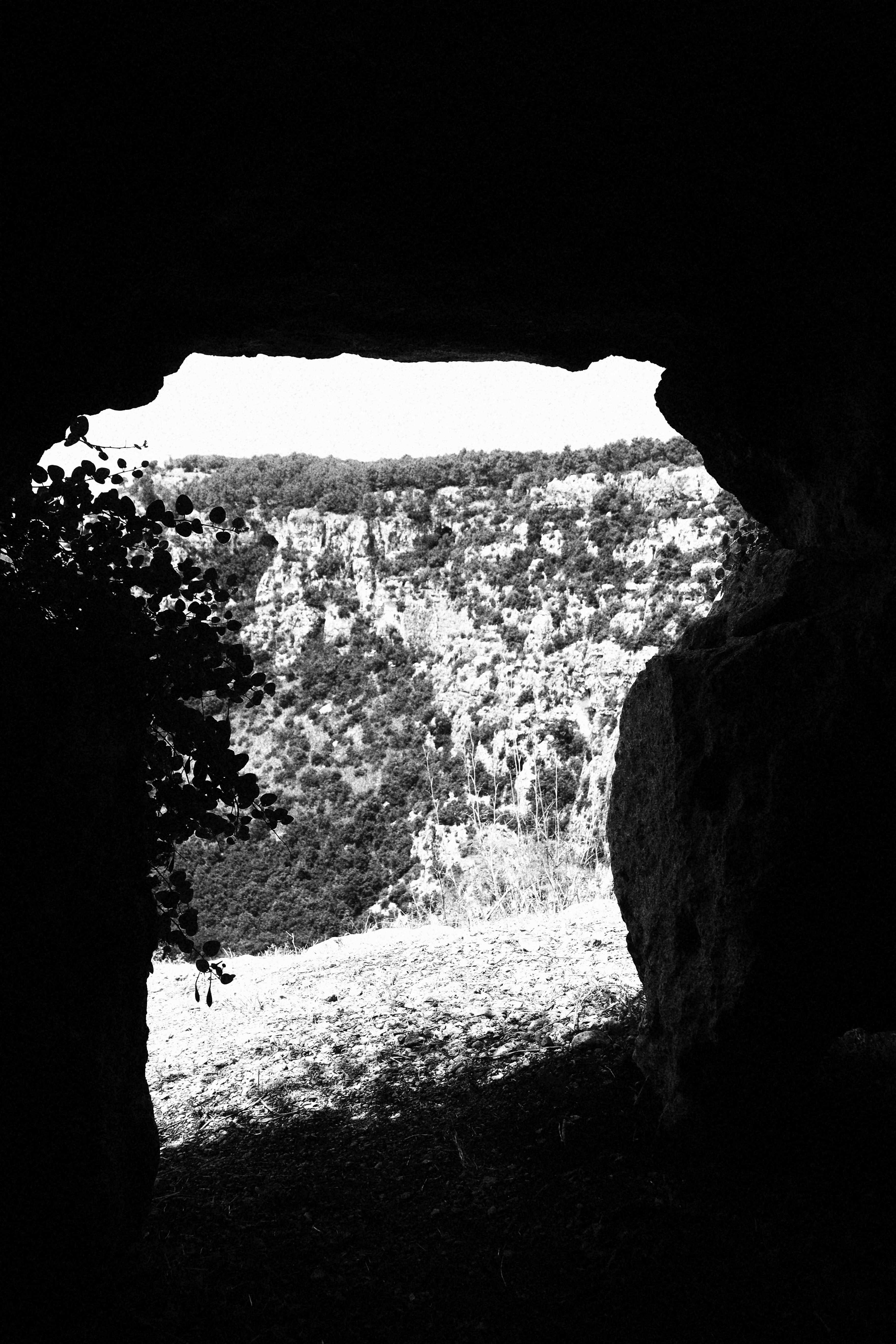
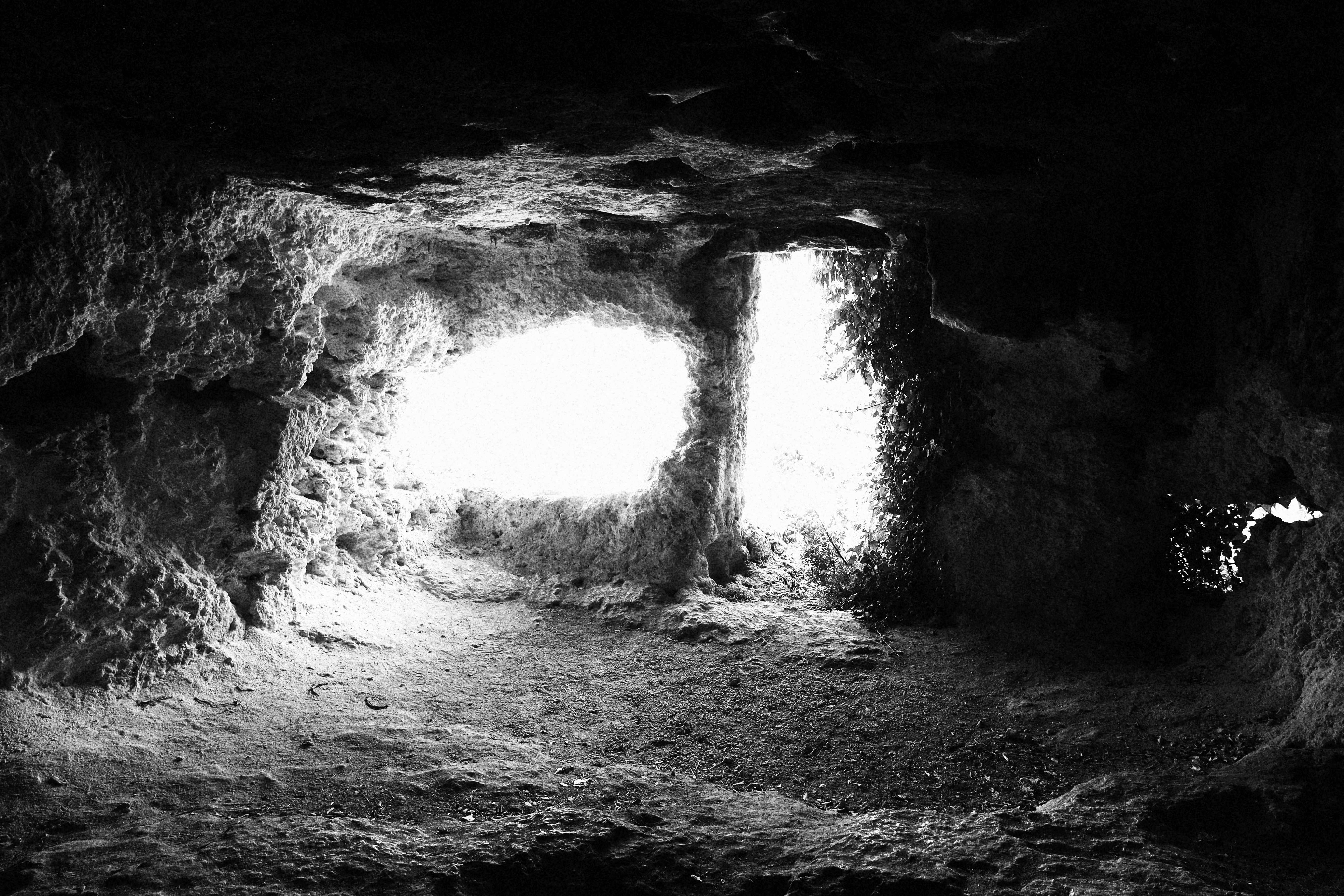

SCICLI e TONNARA DI VENDICARI
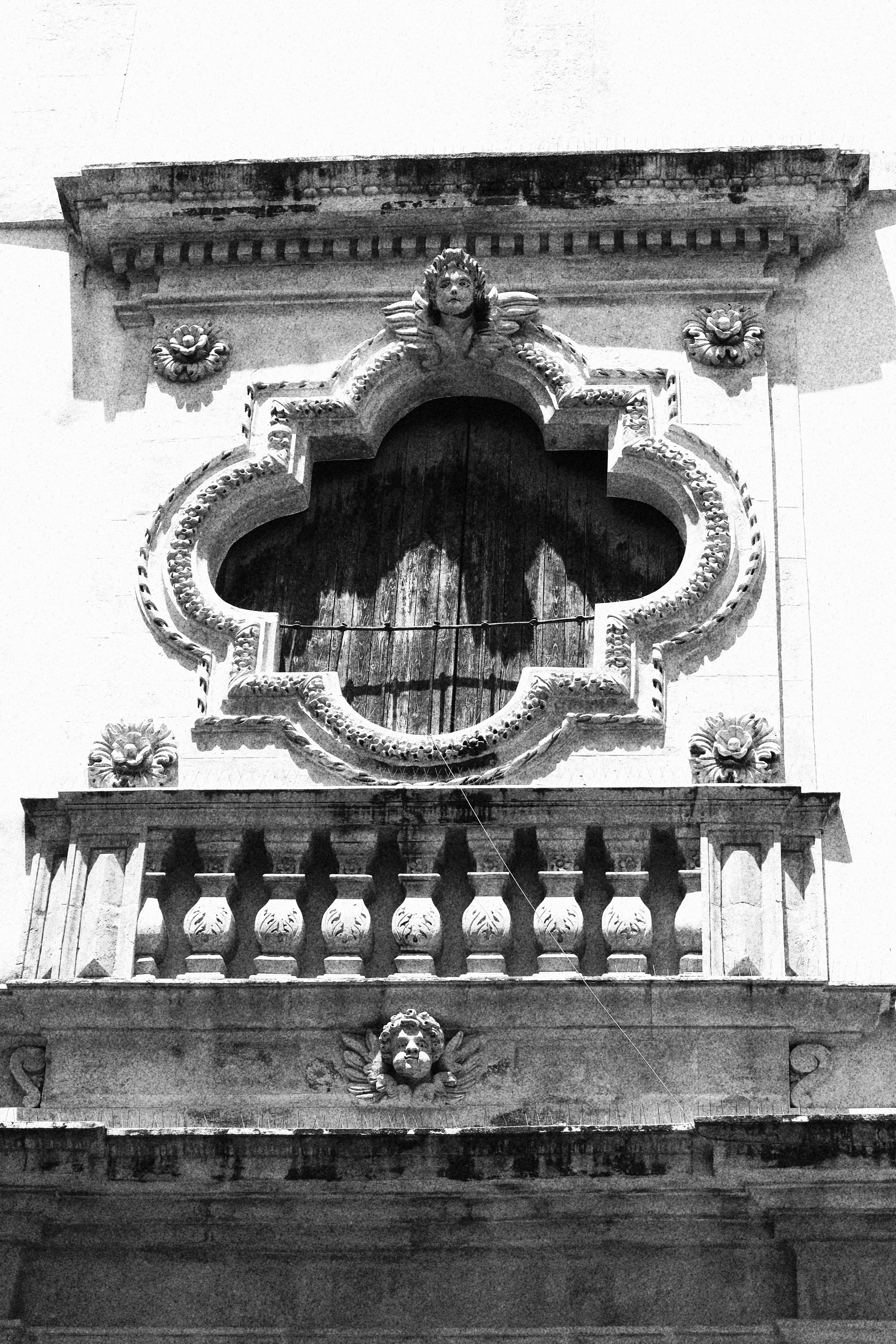

RAGUSA IBLA
(Click on the photos to view them full-size)
When you think of Sicily, what springs to mind are the rolling hills with their dry grass, set against the blue of the sea and sky; the ochre of the stones in the beautiful Baroque palaces; the fuchsia pink of the bougainvillea; and the colours of the delicious granitas.
But there is also another side to Sicily, the one I have sought to capture through my black-and-white photographs.
By removing colour, the stereotypes mentioned earlier are stripped away from the subject; what remains are the shapes, the light, the shadows, the weathered surfaces that tell their own story, and the architectural geometries. The photographs thus seem to evoke an archetypal Sicily, timeless.
Black and white elevates the forms, transforming them into a sort of abstraction, thereby leaving more room for interpretation by the viewer. I might say that it almost symbolises the subject.
Black-and-white photography becomes a dialogue between two imaginations: that of the photographer and that of the viewer. It invites everyone to recognise something of themselves in it, attributing meanings to the image that go beyond the moment the photograph was taken.
John Szarkowski, who was director of the Photography Department at MoMA in New York for almost thirty years, said that photography serves not so much to explain the world as to show it in such a way as to compel us to look at it anew. And, probably, black and white amplifies this ability, because, by its very nature, it does not reproduce reality, but reinterprets it.
Furthermore, colour belongs to the contingent, to the here and now, whereas black and white tends towards the essential. It is as though it eliminates the incidental to allow the underlying structure of things to emerge. And that is why black-and-white photographs often give the impression of being suspended in time; they could have been taken yesterday or sixty years ago.
Consequently, these photographs speak not so much of Sicily’s distinctive features as of what endures over time in this place – of permanence.
You will not find famous monuments or places that immediately identify the Syracuse area, but there are columns, arches, staircases, statues, fountains, courtyards and façades. These are gateways to a world waiting to be rediscovered. Man is not the subject, for he is transient.
What is important is the light that sculpts the figures, whilst the white backgrounds further emphasise the substance of the subjects.
What I sought to capture is the Spiritus Loci – that is, the emotional resonance, the invisible energy or mystical essence that one perceives in a place. Therefore, these photos should encourage you to listen to what that space holds, to what it has to say.
I do not know whether I chose the subjects or whether they called out to me. Some spaces possess a mysterious power; they do not merely ask to be observed, but also to be listened to. They often speak of time, of past lives, of the stonemason or sculptor who created them, of the architect who conceived them, of the man or woman who lived within them. In the end, therefore, humanity returns, but it remains latent.
A stone remains even if no one looks at it, but it becomes a memory the moment someone gives it a voice. These photographs, perhaps, seek to give a voice to the stones.

